The Kids Edit
A Sunday dedicated to them - the little ones who grow, and who, sometimes, teach us to see the world in a new way.
At TH, we collect memories. And few are as special as those that are born next to children: our most special shootings, we always have children nearby.
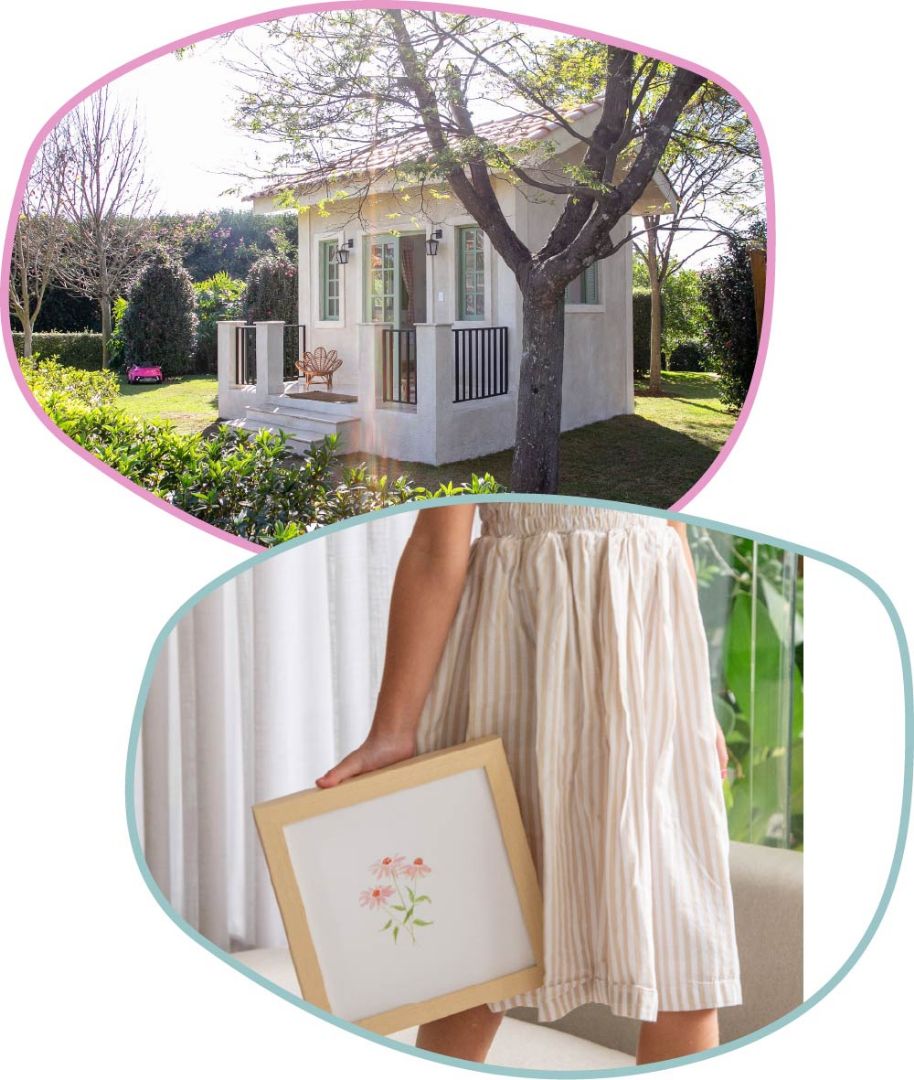
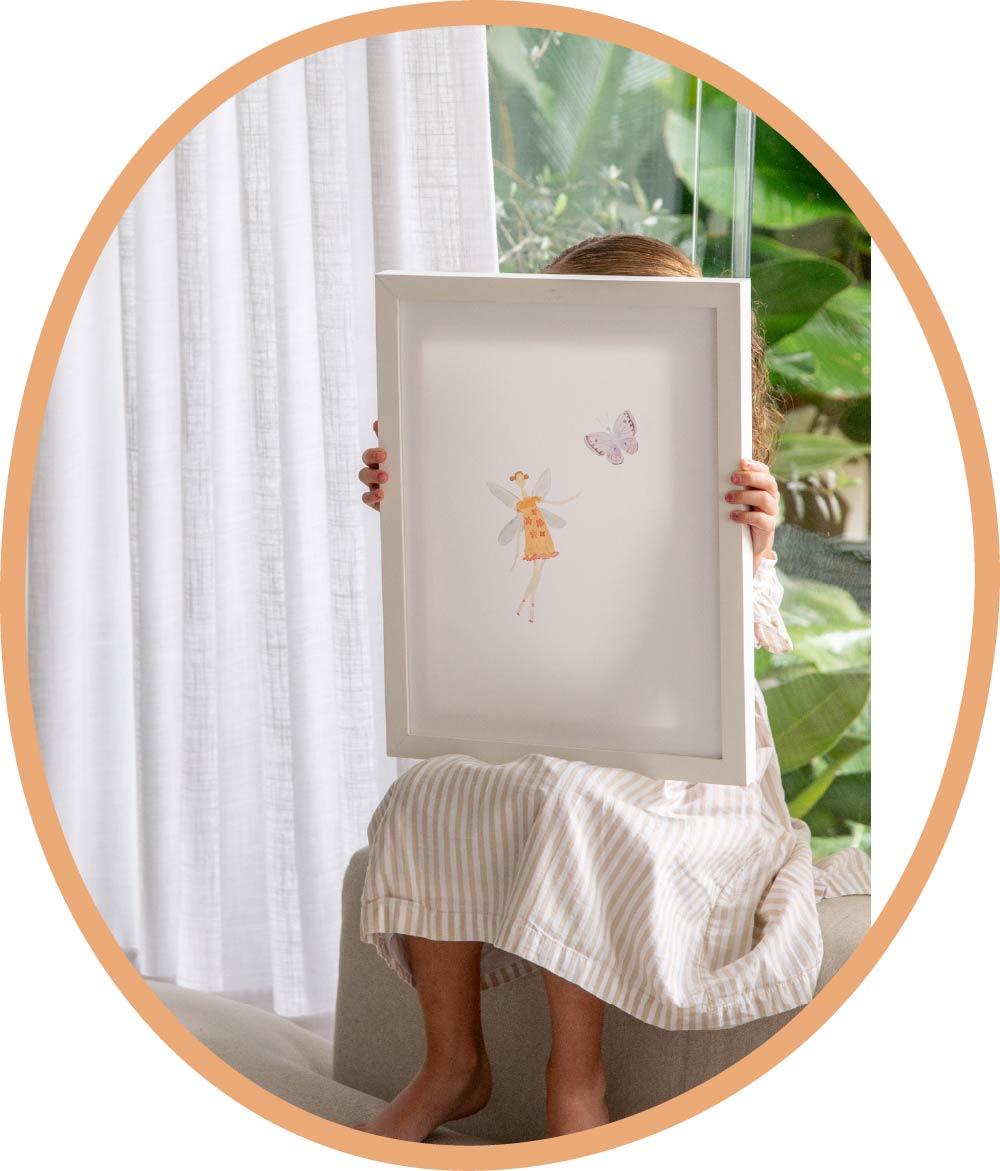
The space where the child grows directly affects their cognitive, emotional and sensorial development. More than a beautiful decoration, well-thought environments contribute to autonomy, to the creation of bonds and creativity.
01.
Purposeful Colors
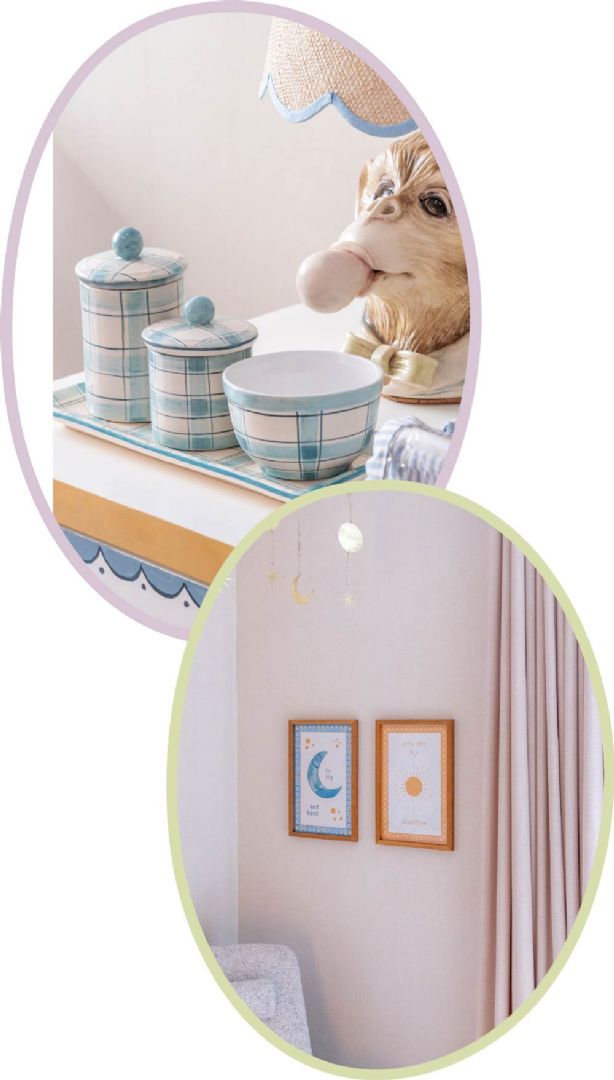
Contrary to what is thought, an excess of visual stimuli can cause anxiety and dispersion. According to neuroarchitecture, soft tones in large volumes (walls, curtains, furniture) and stronger colors in areas of less focus are ideal for a more comfortable environment, and can help guide the child's gaze and build visual references.
02.
Accessible Heights
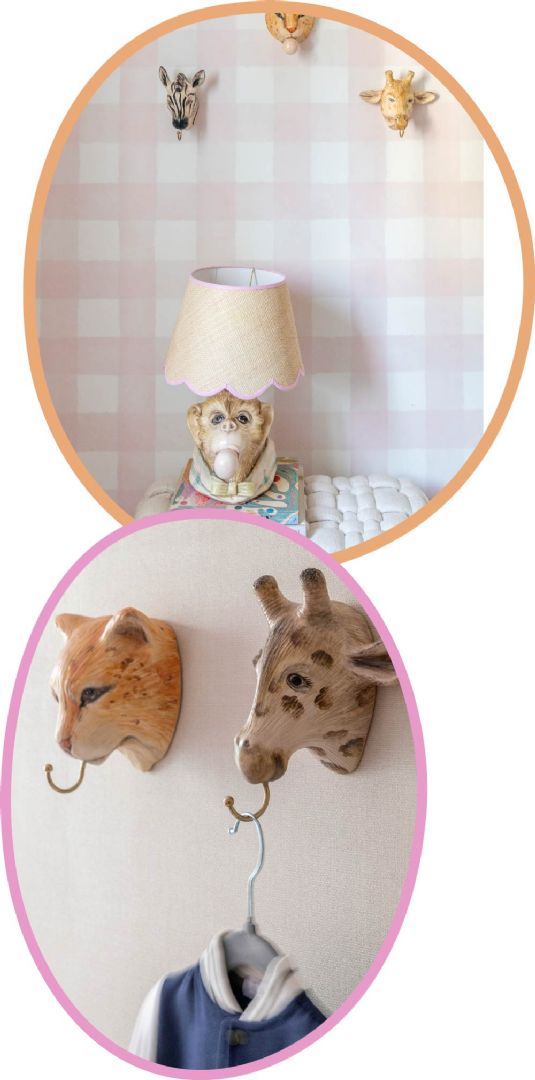
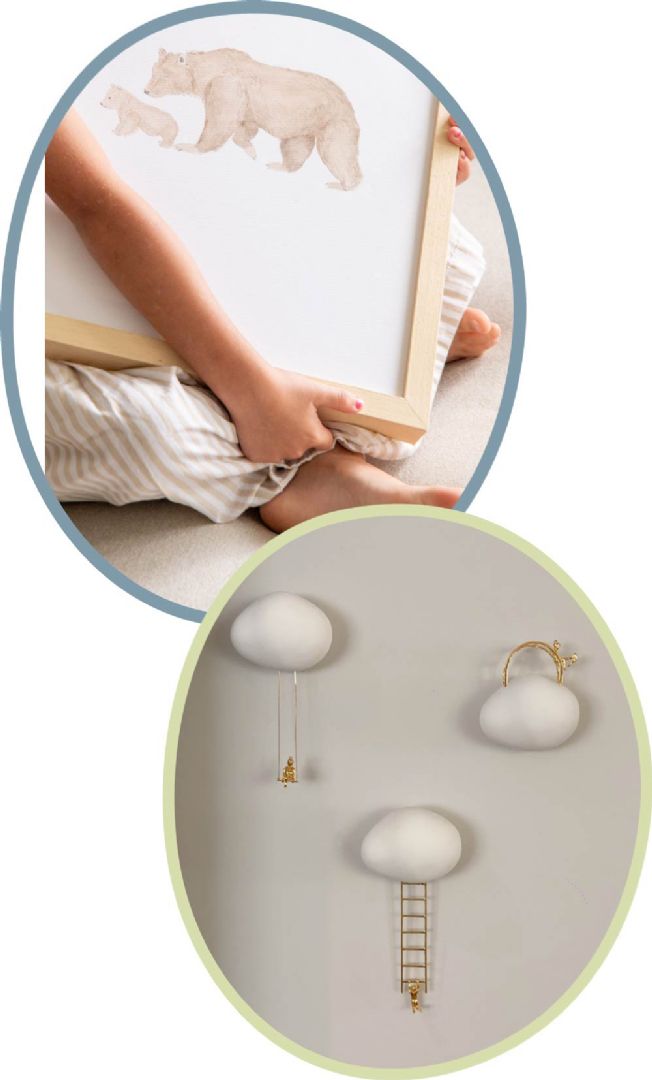
Furniture at eye and touch height of children promote autonomy and a sense of belonging. Hooks, mirrors, low stools and accessible bookshelves transform the space into a child's territory ? where they can see, choose, store and care - after all, it was made for them.
03.
Teaching Textures
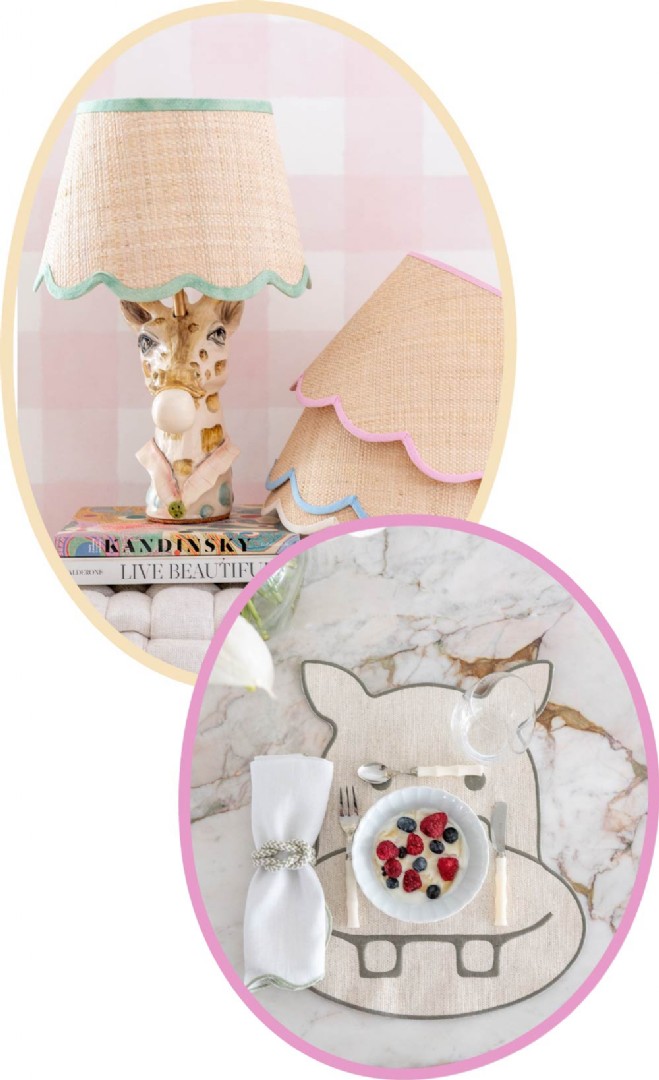
The touch is one of the first senses to develop. Environments with varied, natural and organic textures (wood, hay, cotton, different fabrics) invite curiosity and sensorial contact, promoting deeper experiences.
04.
Calm Zones
Creating a small "breathing space" ? a corner with cushions, soft lighting and few stimuli ? helps the child regulate emotions and rest the body and mind.
05.
Symbolic stimuli and open
Objects that do not have a unique function (a box that becomes a house, a stool that becomes a table, a cushion that becomes a cabin) promote free play, which is the most powerful language of childhood.
At TH, the universe of children is taken seriously - with poetry, functionality and affection.
SEE MORE
OUR CONTENTS
The contents we are talking about and you may not have seen it yet.


 TH Wholesale
 WhatsApp