Mindfulness
We believe that there has been a trivialization of the term mindfulness and of many wellness topics that seem to stray from its true value.
Back to its essence, it is important because it returns something that most people have lost without realizing: the ability to be whole in one's own body and in one's own choices.
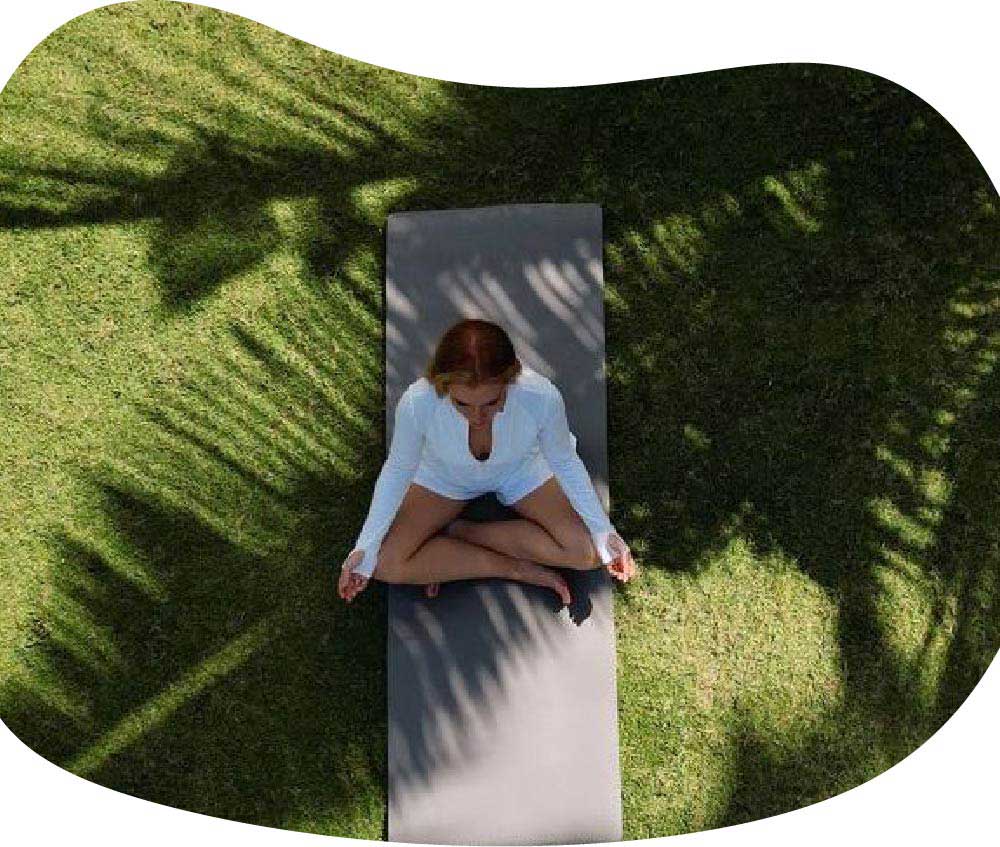
Mindfulness is to perceive, with clarity, how you are living, and this includes noticing fatigue, discomfort, haste and how you speak to yourself.
When you develop attention, even for a short time, you begin to identify patterns that before went unnoticed: decisions made on autopilot, relationships maintained by habit, a rhythm that the body can no longer sustain, and even the space that doesn't fit simple things we want to put back into our routine or agenda.
Mindfulness doesn't solve anything on its own, but it creates the necessary space for real choices to happen before life forces a change.
A big turning point begins when you start listening to yourself with enough honesty, and you start making space for more awareness.
It's not comfortable, nor fast.
But it's what sustains change.
We asked Luiza Hummel, our teacher at Kavannah Meditação, dedicated to practices of meditation, mindfulness and self-compassion, to indicate 3 meditations in harmony with the beginning of the year.
01.
PRACTICING MINDFULNESS OF THE PRESENT MOMENT
Guided mindfulness meditation practice where the intention is to offer different paths to bring focus and awareness to the moment present: through sight, hearing, physical sensations and breathing.
It can be done at any time, but there is a suggestion to try it before starting the workday or any other activity.
The meditator can be sitting, lying down or standing.
02.
BODY SCAN
A brief body scan without music in the background (as we do in mindfulness practices).
An invitation to notice the parts of the body, be present with the body, becoming aware of how the body is at each moment, its sensations or lack of sensations.
This practice can be done lying down, sitting or standing.
There is no expectation about how you should feel when doing this practice, but rather, to be present with your experience, whatever it may be.
03.
ARRIVAL TO THE PRESENT MOMENT
Guided mindfulness meditation practice that aims to guide the practitioner through different ways of anchoring attention and consciousness in the present moment, using sight, sound, physical sensations and breathing as support points.
It can be done at any time during the day, although it is especially recommended before starting work or any other activity.
The practice can be done in a sitting, lying or standing position.
OUR CONTENTS
The contents we are talking about and you may not have seen it yet.


 TH Wholesale
 WhatsApp