TH Content
If you, like us, also enjoy keeping up with behavior and marketing trends, you must have noticed how SKIMS, Rhode, Celine, and Jacquemus have been betting on a new strategy.

This movement is not just coincidence ? it?s a smart way to connect products with the audience in a completely new way. We call this sensory marketing, a strategy that evokes desire and curiosity by creating an experience that engages our senses.
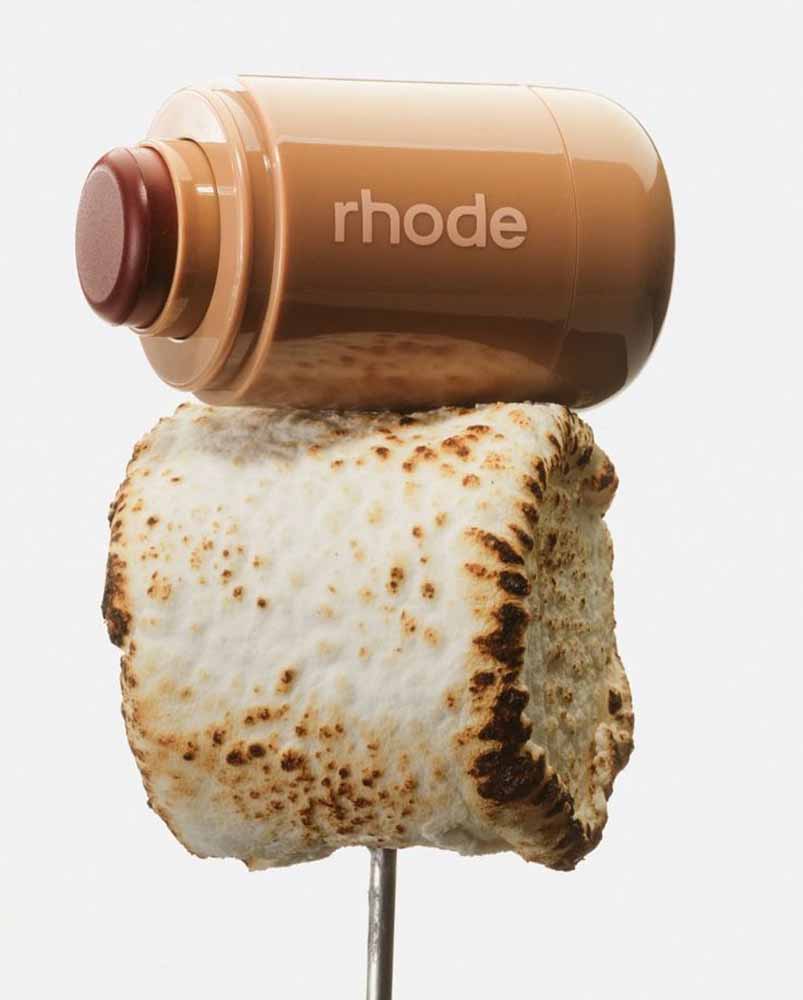
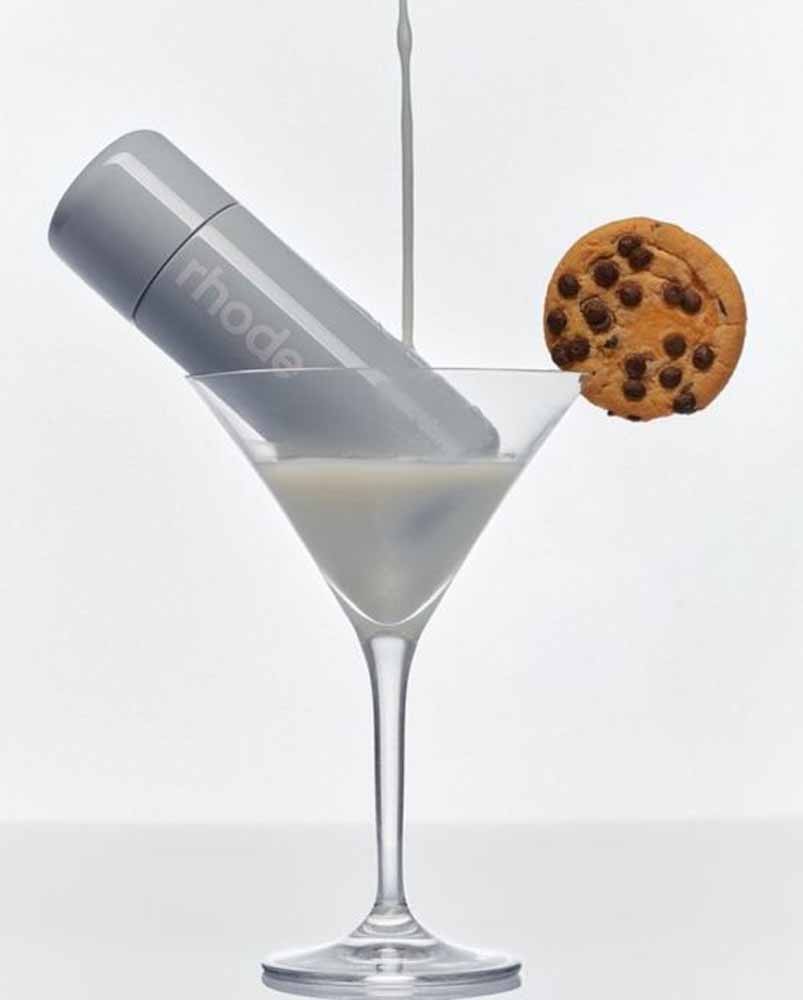
By drawing inspiration from food, these brands provoke an immediate emotional response. Sensory associations make us want to try the product, even without being able to test it in person.


Brands like Rhode leverage this technique in everything: from the creamy tone in their products to names that remind us of food, like "glazing milk" for their facial tonic.
Everything is designed to transform everyday skincare products into sensory experiences that go beyond the visual.
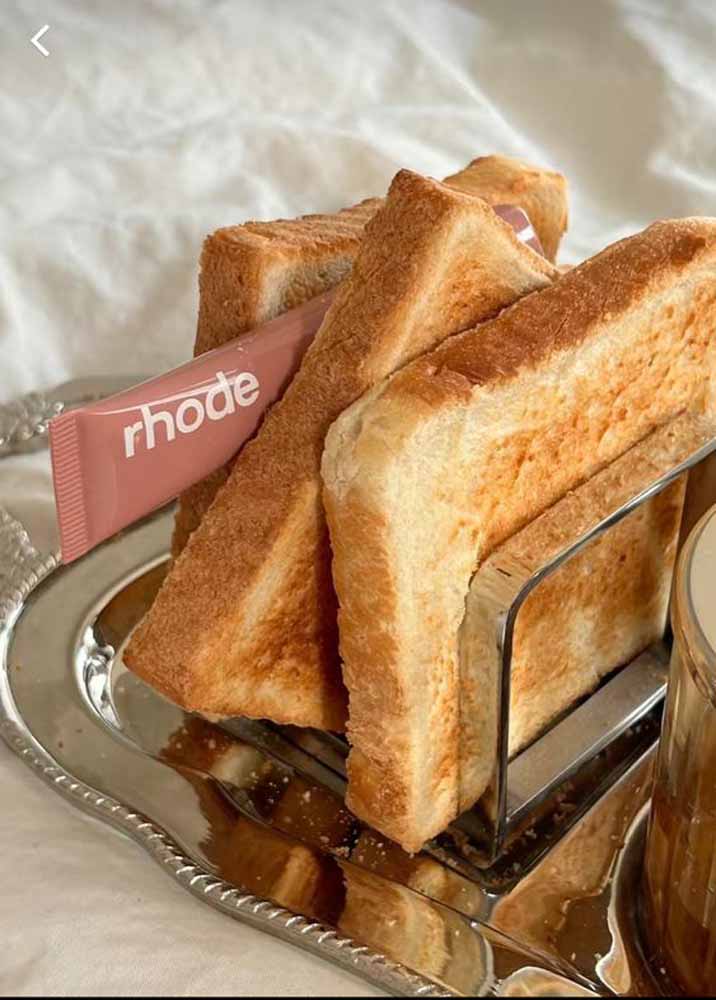

When it comes to marketing and behavior, subtle details make all the difference. For those looking to be inspired by ways to create deeper connections with the audience, exploring the sensory and playing with perceptions can be a creative move.
WHY
Immediate Emotional Appeal: Sensory marketing uses elements that evoke emotions, such as fragrances and colors, activating the desire for the product ? even before it is seen in person.
Association with Well-being: Engaging the senses brings the brand closer to the consumer's daily life.
Better Brand Recall: Sensory stimuli like unique sounds and aromas make the experience memorable. Data shows that 75% of our daily emotions are influenced by our senses, reinforcing the value of multisensory experiences.
HOW
Tradition vs. Innovation: The strategy combines nostalgic references with a new concept.
Wider Audience Reach: Studies indicate that up to 85% of consumers prefer to buy from brands that offer sensory experiences.
Combined Marketing and Science: Neuroscience shows that sensory associations create lasting memories and increase the desire to purchase. Elements that evoke flavors or textures elicit emotions and trigger our desires.
Personalization in the Digital Age: Even without physical contact, brands can convey sensations through videos and photos that explore the sensory, creating a deep bond, especially on social media.
See more in the button below.
READ MORE
OUR CONTENTS
The contents we are talking about and you may not have seen it yet.


 TH Wholesale
 WhatsApp