Ancestral Design
With us, they are feminine and Brazilian.
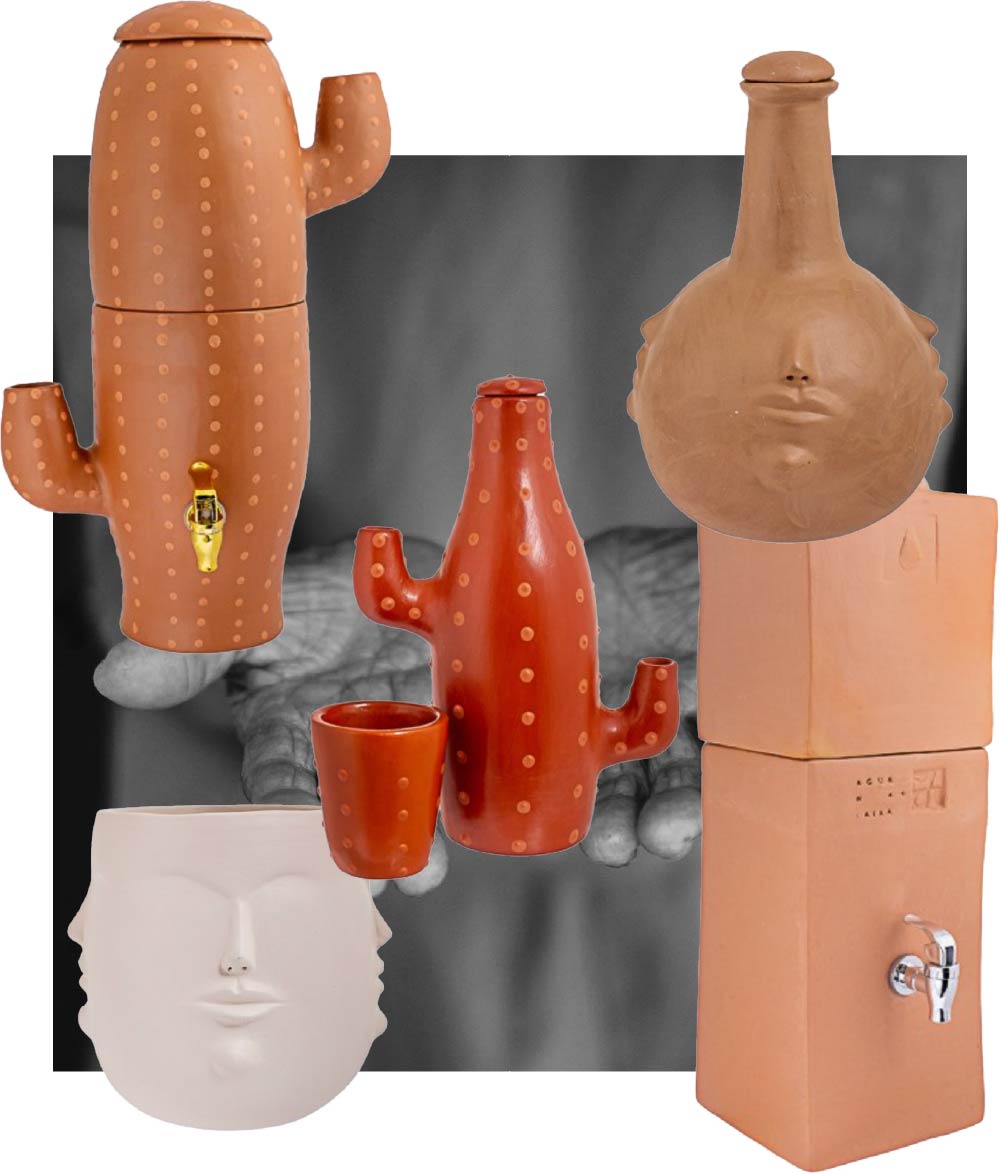
An ancestral process, 100% sustainable, a symbol of resistance. Each piece carries a piece of the story of the woman who made it.
They inspire us, make us proud, motivate us.
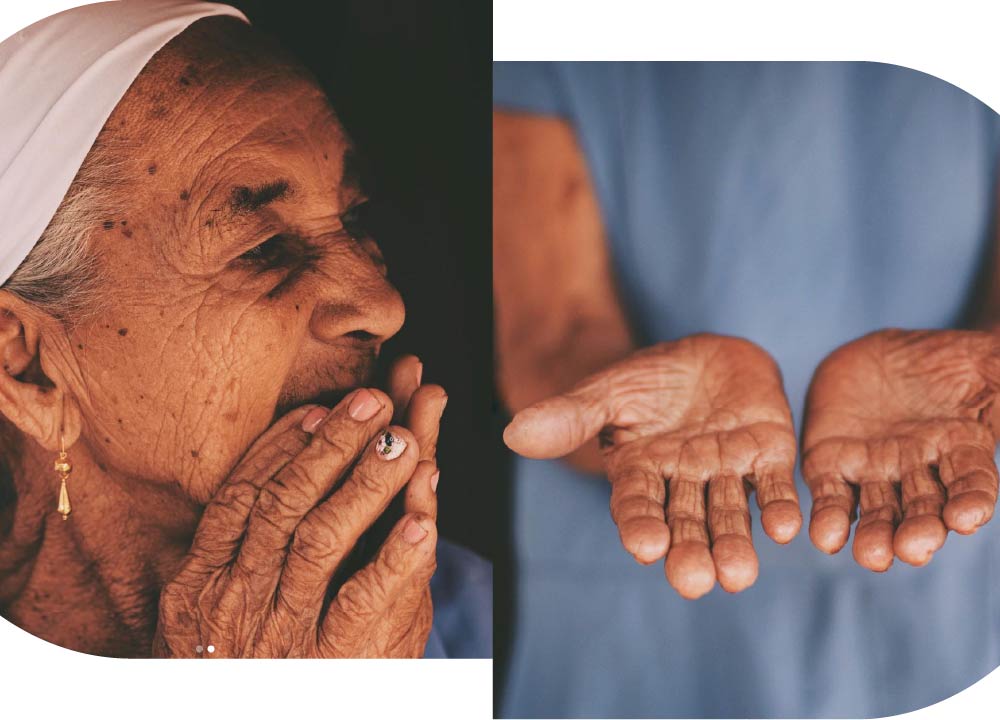
Harvesting, pounding, grinding, sifting, separating, moistening, shaping, smoothing, drying, waiting, painting, firing. More than size, weight, or volume, time is the main unit of measurement in the artisanal process.
It is a great challenge to measure how much time the hands and minds of an artisan take to conceive a piece.
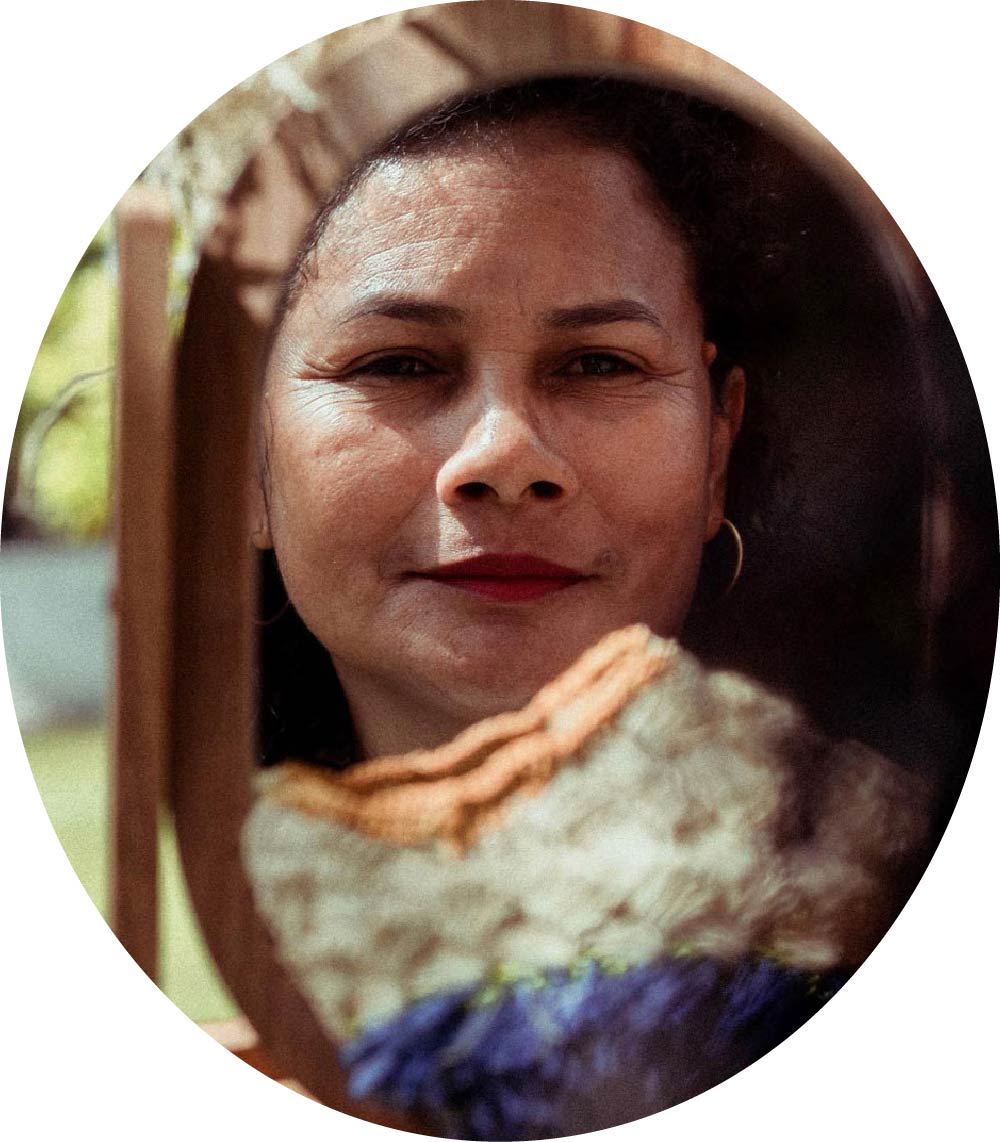
The encounter with the MÃOS project brought us back to an essential place. The project, which is part of our curated selection of sustainable Brazilian design for this Architecture Biennial, was born as a research, impact, and co-creation initiative with Brazilian women artisans, connecting traditional knowledge to new models of production and markets.
More than just a project, it is a living network that articulates memory, territory, and female autonomy.
There is care in the process, and a collective path.
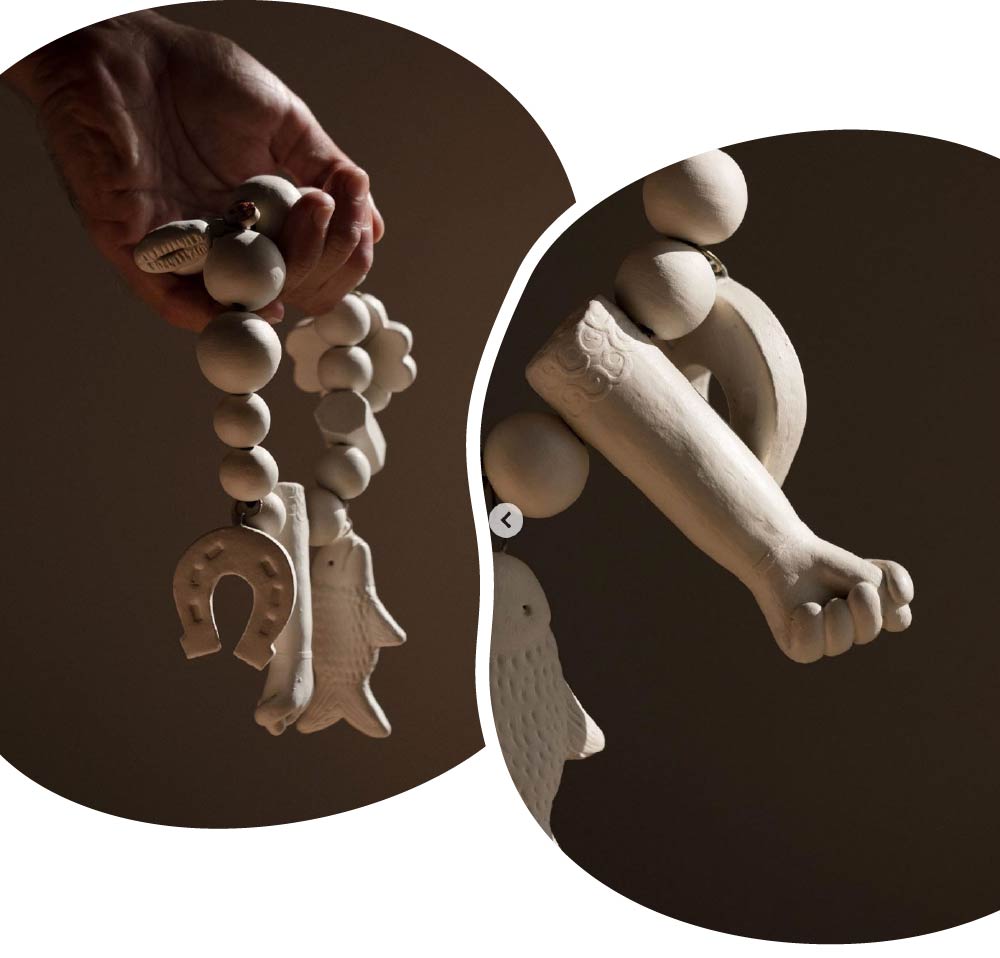
The impacts of these (creations/actions) resonate in different ways, touching several layers. They aim to benefit not only the artisans involved in the project but also their families, communities, and territories.
Expanding not only their earnings, but mainly their autonomy and self-esteem.
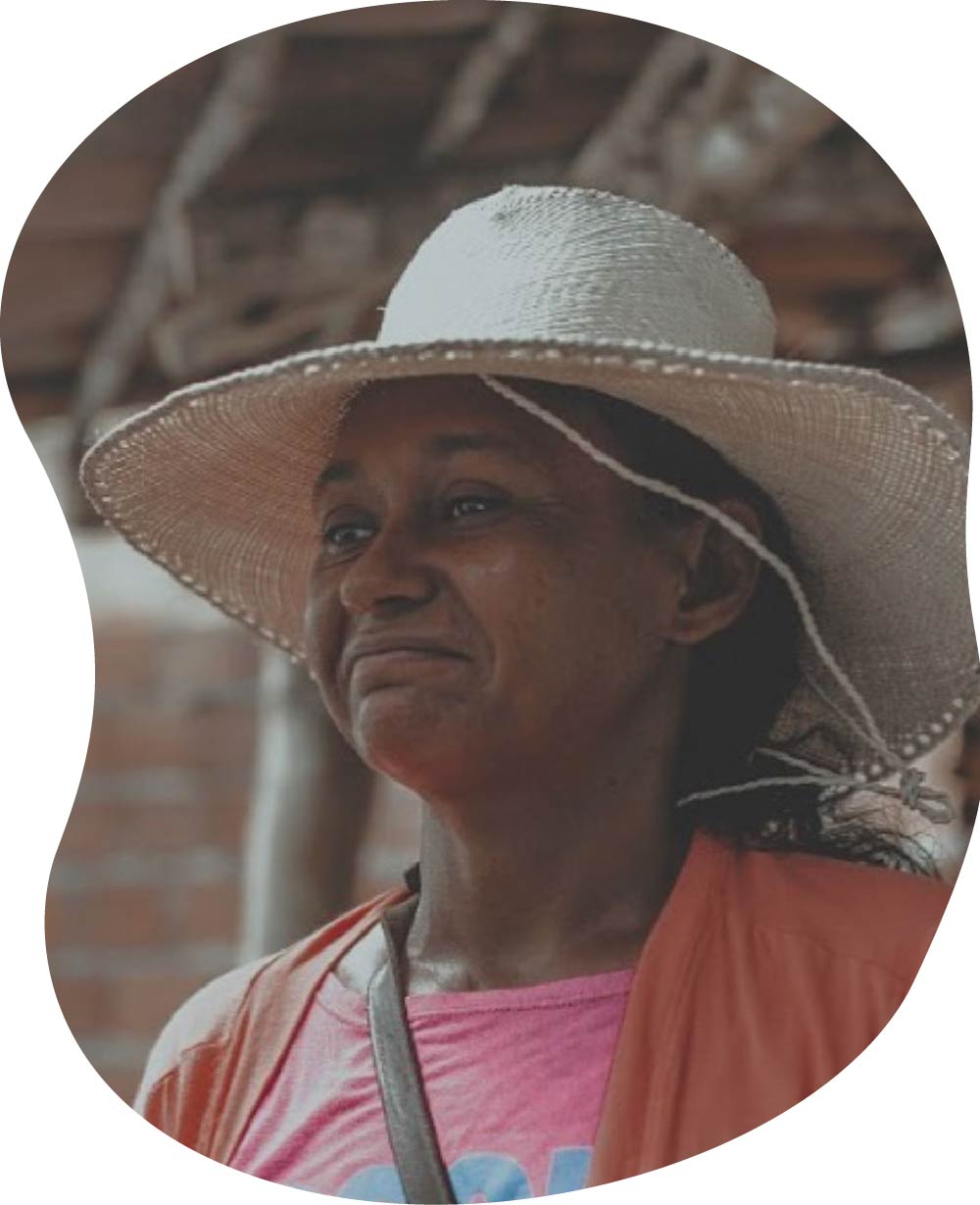
Different from an extractive logic, MÃOS operates through listening.
Before any drawing, there is a mapping of the cultural, social, and environmental aspects of the communities involved. It is not about adapting the handicraft to the market, but about preserving its identity, ensuring authorship and autonomy to those who create it.
The production follows principles that have become urgent today, but have long existed in practice there: fair trade, circular economy, functional design, and structured social impact.
The result goes beyond a product. The encounter with the MÃOS Project means recognizing that there is a new way to build value, and it can start before the product even exists.
Through mapping, documentation, and networking, the project studies the territory or artisan typology based on the main attributes (cultural, social, environmental, economic, and political) that shape the identity and history of that community.
With a keen eye and active listening, they diagnose strategies for safeguarding this knowledge and these practices.
This is called the methodology:
SOCIAL TECHNOLOGY OF MEMORY.
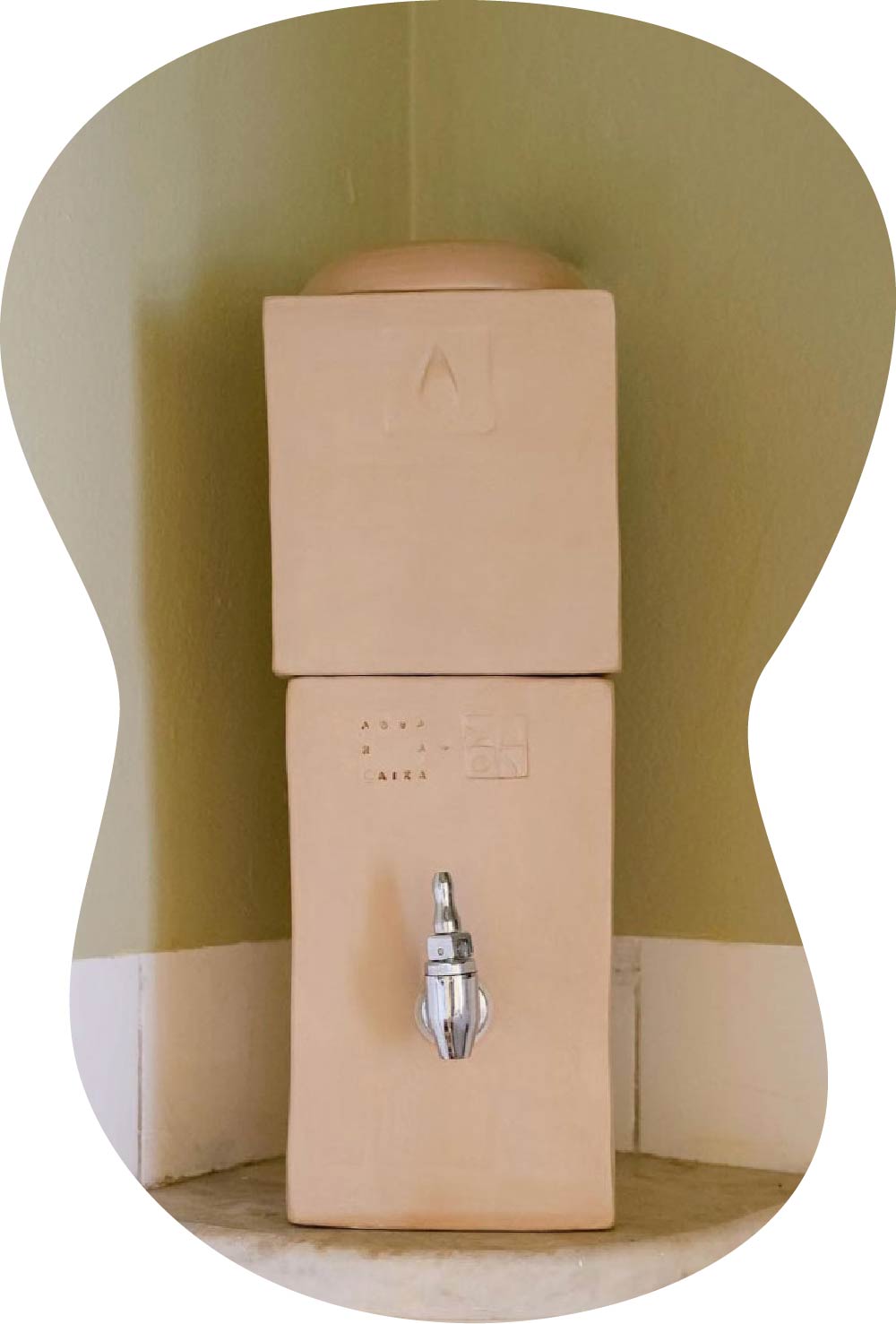
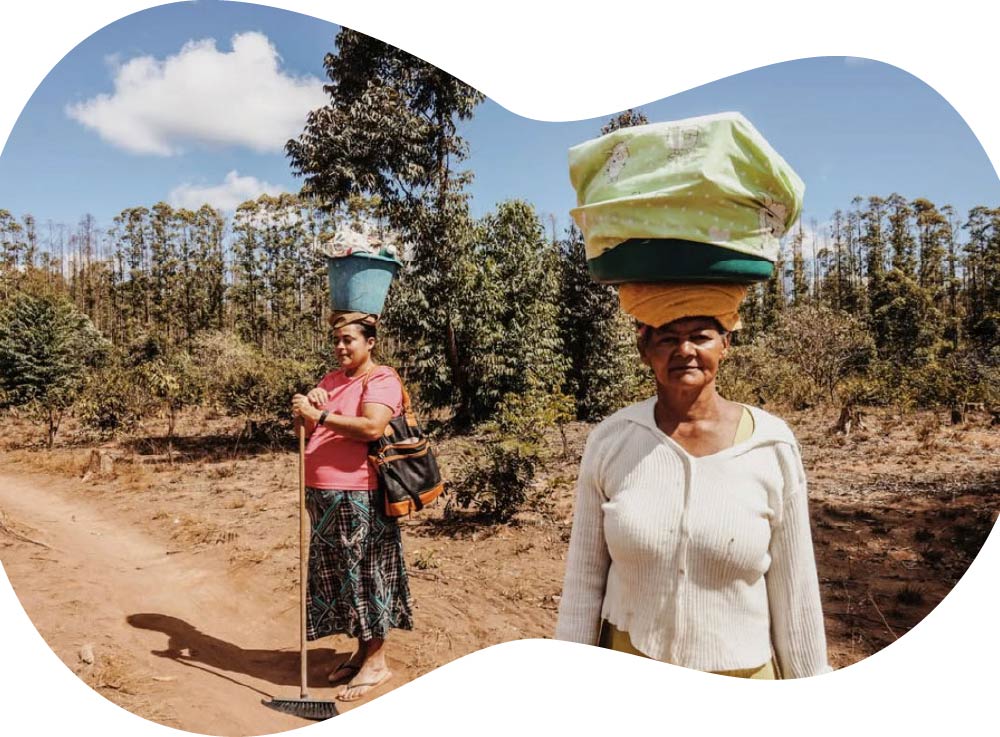
One of the social roles assigned to women in rural contexts is to fetch water for their families. This is in addition to a long workday, which includes housework, children, farming, and handicrafts.
It is almost unanimous: artisans wish to live exclusively from their craft. And when it improves their quality of life, we know we are on the right path.
Water is a basic right and we want to collaborate to improve its access in Campo Buriti.
For more than 10 years, MÃOS has developed projects that unite tradition, research, and positive impact, creating pieces that carry cultural context, memory, and belonging?a reflection of what we aim to give voice to in this edition of the Brazilian Architecture Biennial.
OUR CONTENTS
The contents we are talking about and you may not have seen it yet.


 TH Wholesale
 WhatsApp