The Silence Edit
There is an absence of stimuli that has become almost impossible to access.
We live in a continuous state of sensory occupation: background music, notifications, ever-shorter videos, simultaneous conversations between our screens and our surroundings.
Even when we're alone, we're often accompanied by a book, podcast, or background music, and we rarely find true silence.
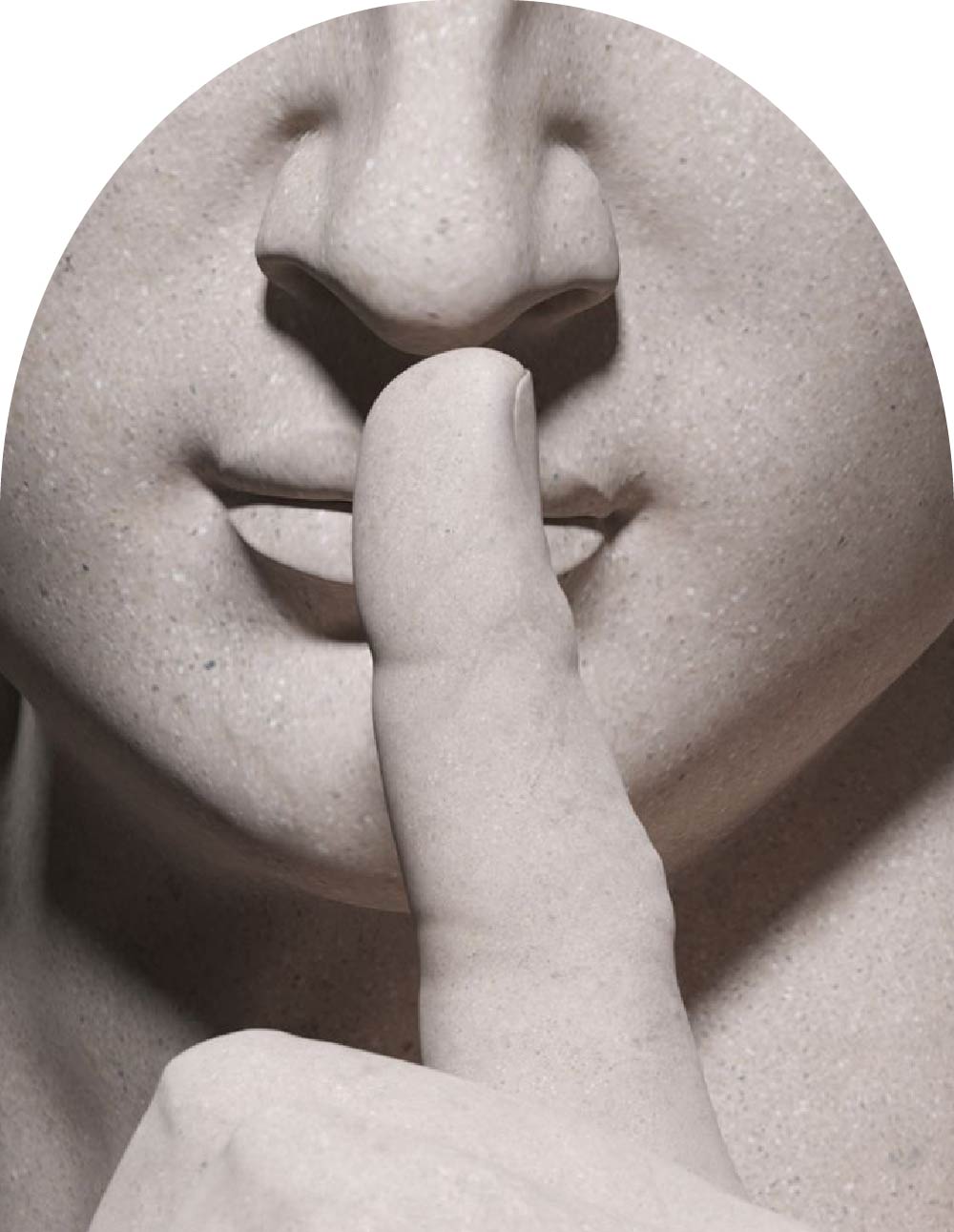
For many of us, in silence, nothing seems to happen. But on the contrary, as restorative as sleep, when there?s no external stimulus, the brain activates the default mode network?a state in which it starts to reorganize memories and integrate experiences.
It is in this space that our ideas connect, decisions mature, and internal narratives unfold.
With a hyperfocus on behavior and the theme of silence, I heard on a recent podcast that two hours of silence a day stimulated the growth of new cells in the hippocampus, a region linked to memory, learning, and emotion.
And more than that: these cells didn?t just appear, they integrated into the brain as functional neurons.
In other words, silence doesn?t just calm, it reconstructs and repairs.
We are living against the grain of silence, in a world of excess stimuli.
Environments with constant noise cause an increase in cortisol, the stress hormone, and a greater cognitive load, making it harder to focus, remember, and make decisions.
Which leads us to a cumulative fatigue.
Curiously, silence also has immediate physical effects: two minutes of silence can reduce heart rate and blood pressure?a reminder of the importance of meditation practices that we love and try to cultivate.
The challenge, in some moments of our lives, is that in silence there is not enough distraction to protect us from ourselves.
Without noise, there is space and an invitation for our mind,
it expands. Without stimulus, perception deepens.
In a world and society that encourages us to fill every space in the name of productivity, the choice for silence becomes more challenging each day.
Our invitation, far from being a trend, is to approach it as a form of restoration and rebalancing.
Pause...
Permanence
Handmade art is unique and cannot be duplicated; materials that absorb sound and textures are an invitation to explore.
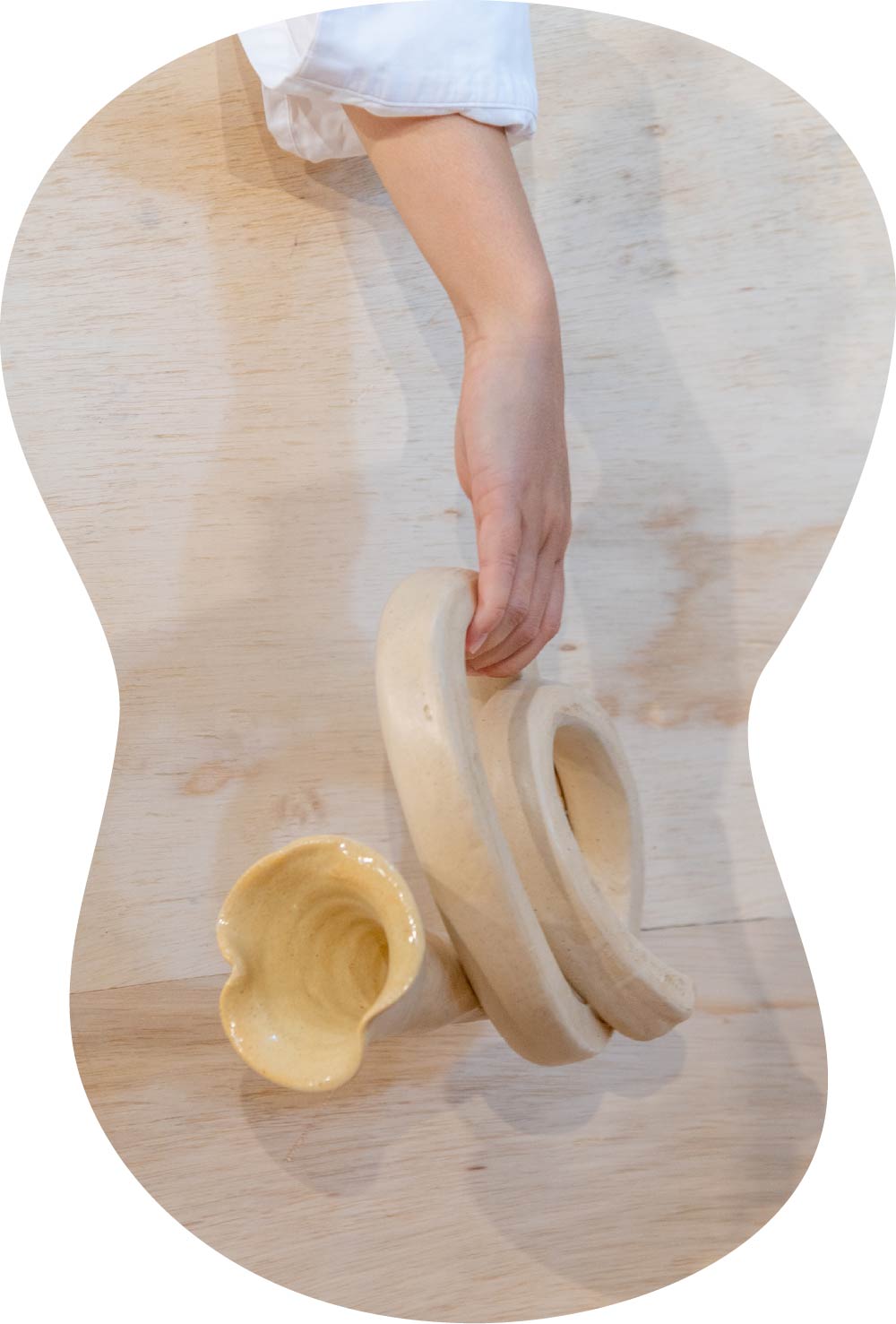
Not just as an aesthetic, Denise Braune, one of the artists in our new design curatorship, develops a practice that investigates emptiness as a space for dwelling, transiting between ceramics, architecture, and memory.
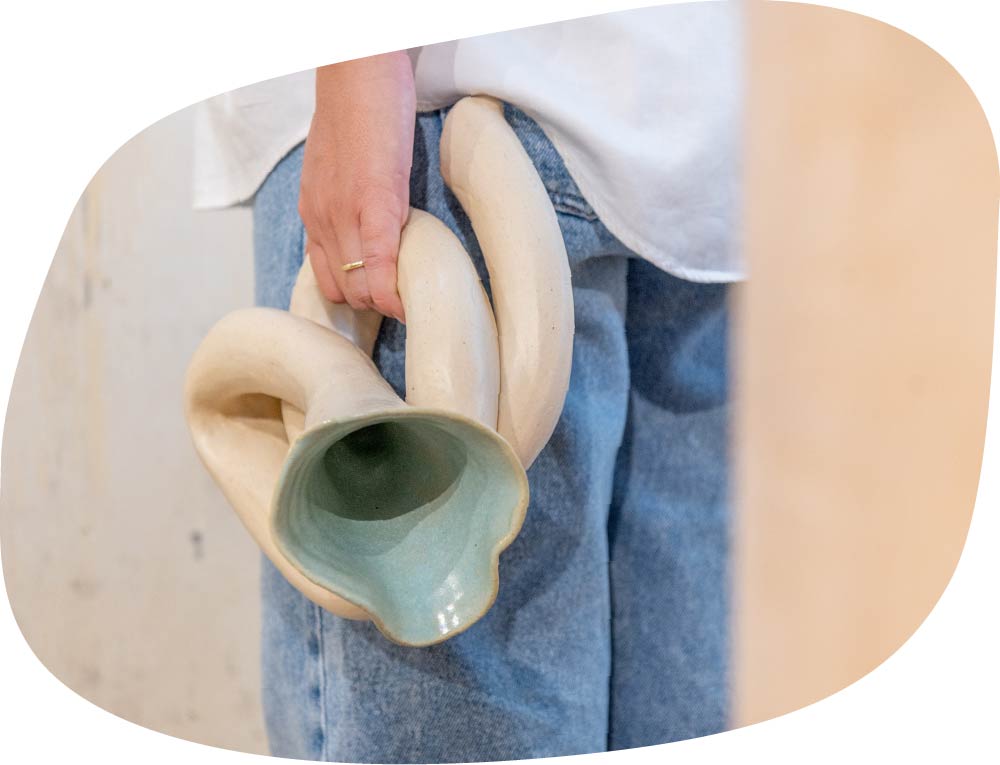
Her work explores the relationship between form, space, and presence, understanding form as permanence.
OUR CONTENTS
The contents we are talking about and you may not have seen it yet.


 TH Wholesale
 WhatsApp