It's Glow O'Clock
There is a theme that is constant around us, it is Korea.
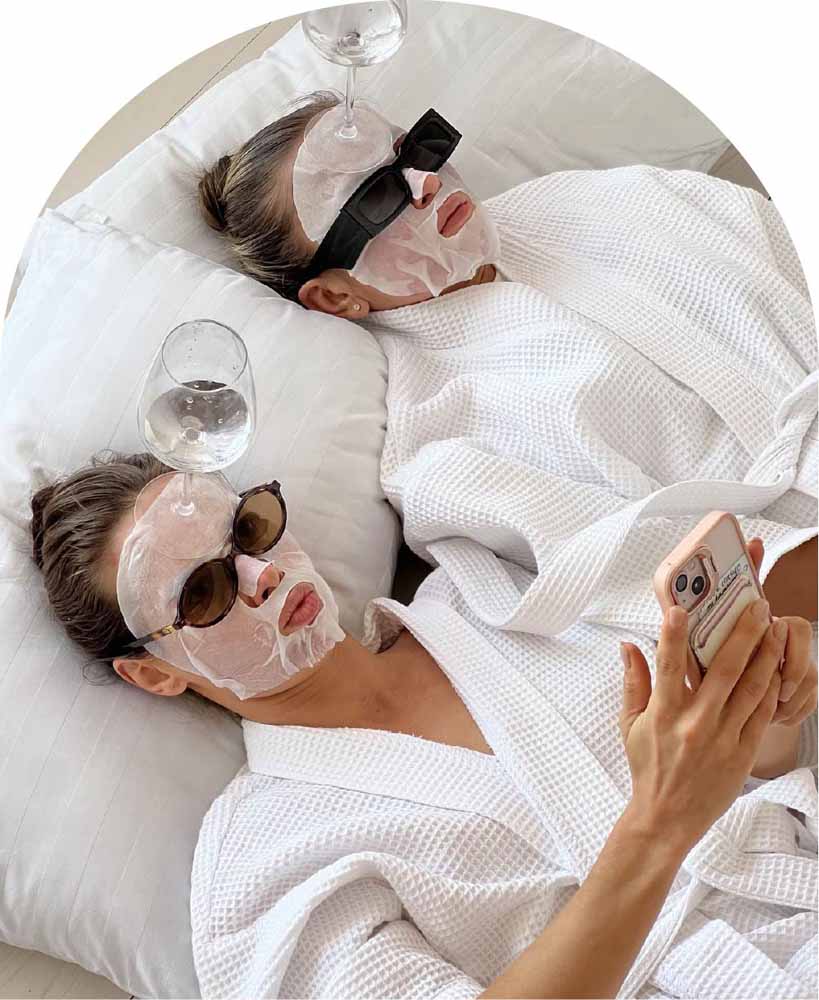
There is a recurring misconception when we talk about South Korea: treating K-beauty, K-pop or Korean cinema as spontaneous, viral, or almost accidental phenomena.
Korea transformed culture into an economic, symbolic and behavioral power infrastructure in a deep, silent and strategic way.
This is important to understand what will come in 2027 and 2028.
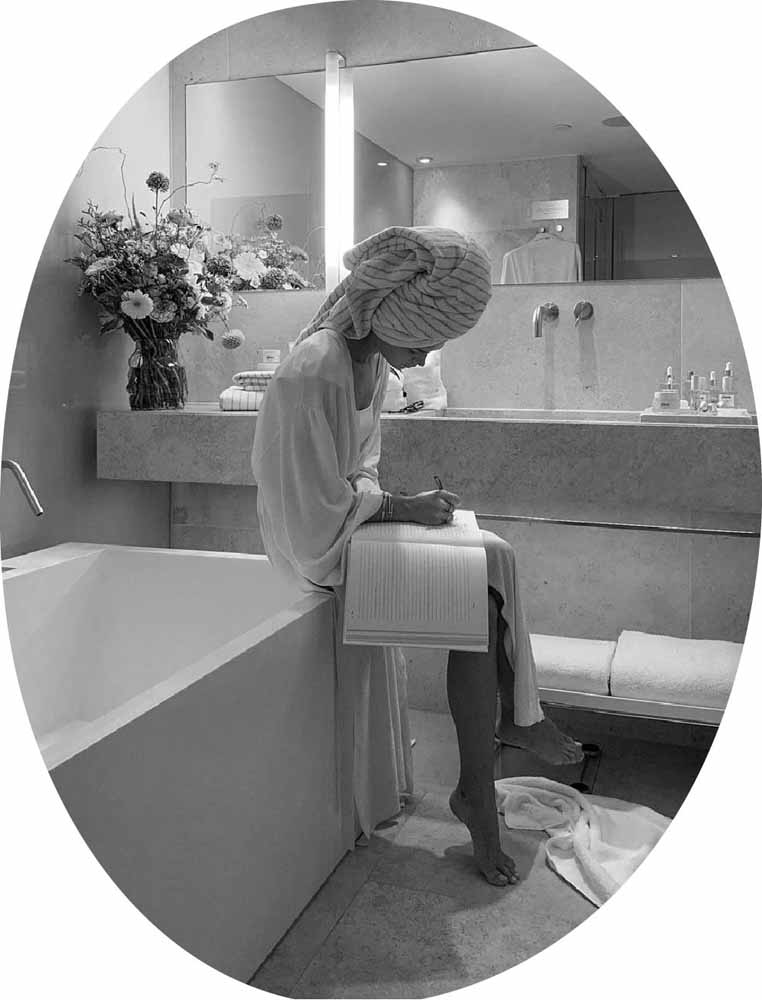
Before it became hype, K-beauty was public policy. Since the late 1990s, the South Korean government has consistently invested in cultural industries as an economic vector. Beauty, entertainment, fashion and technology were not treated as "soft power", but planned as strategic cultural exports. Beauty, as national language.
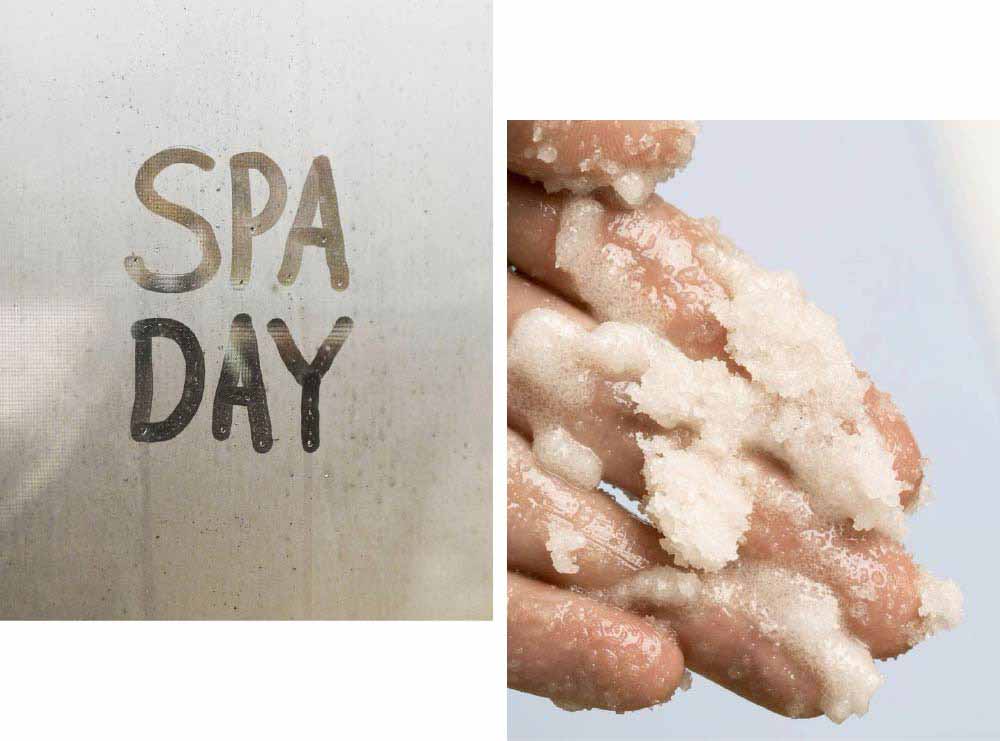
Today, the South Korean beauty industry moves more than $13 billion per year, with constant growth even in unstable global scenarios. But the most interesting data is not the number, it is the method.
K-beauty never sold just products. It delivers routine, asks for ritual and involves with knowledge.
While the West relied on quick promises ("anti-aging", "instant lifting effect"), Korea educated the consumer for continuous, preventive and almost meditative care with the skin. The famous routine of multiple steps became aesthetic discipline.
In a world that accelerates, Korea provoked the consumer to decelerate, and monetized it.
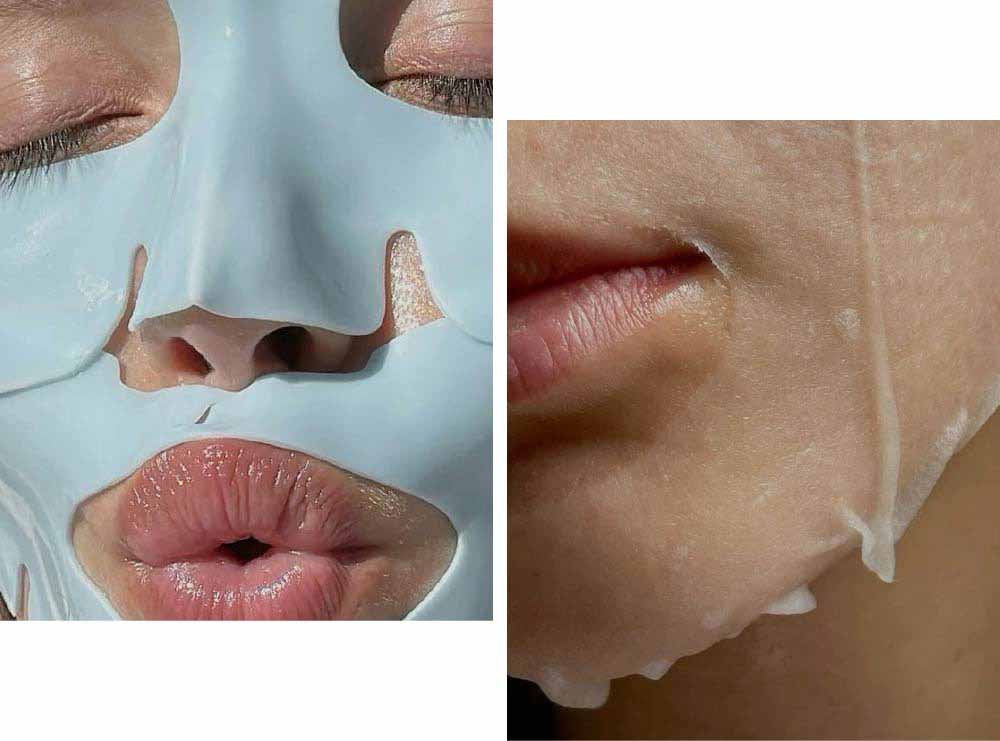
In 2027 and 2028, this understanding deepens. WGSN brings consumption data, which moves away from spectacle and gets closer to care. Brands that educate, accompany and build relationships, remain.
This contrast between high technology allied to delicate aesthetics is one of the most relevant codes for the future of design, beauty and even living.
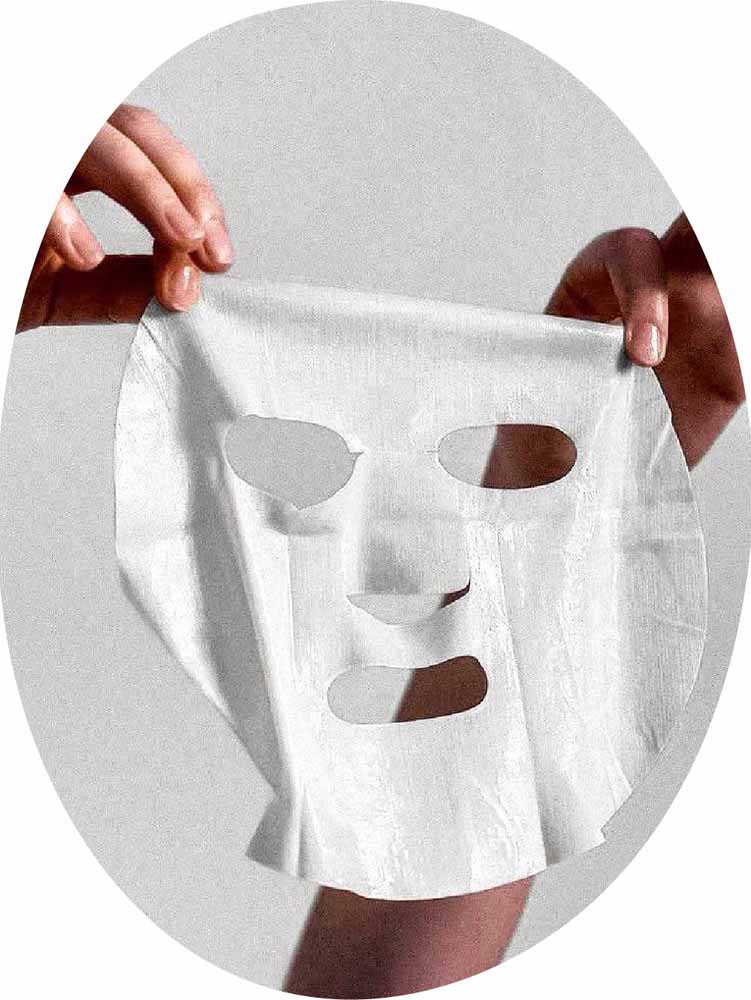
The so-called Hallyu, the Korean cultural wave, does not work by peaks, but by consistent repetition. Series, music, beauty, gastronomy, architecture, graphic design, packaging. Everything talks to each other. Everything reinforces the same narrative: care, aesthetics, discipline and emotion.
This creates cultural confidence. And confidence generates desire.
What this teaches us about trends and behavior for 2027 and 2028: the future will be occupied by those who build culture before product, educate before selling, value ritual more than immediate results and understand time as an ally.
Korea did not follow global trends. It created a coherent, patient and deeply aligned system to the values of its territory.
And who learns to read these signals today, perceives with greater clarity the behavioral changes that shape the future of the retail scenario.
obs: if this topic interests you, much more than just k-beauty, we recommend watching the documentary of Lee Soo-man, founder of SM Entertainment, better known as the "King of K-pop", another Korean industry that took the world.
OUR CONTENTS
The contents we are talking about and you may not have seen it yet.


 TH Wholesale
 WhatsApp